
Carson's Search for Belonging
Holding Out for a Hero ▸ Stiles Stilinski (2)Carson Bradley's fear of abandonment is tested by her mother's return, her father's neglect, and Stiles Stilinski's temporary withdrawal.
increasing Bearing strength in each event
 decreasing
Bearing strength in each eventdecreasingThe Absent Mother
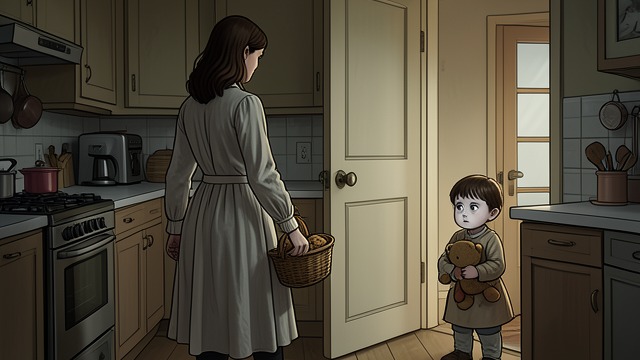
The Absent Mother
Sudden Departure
Elizabeth Bradley leaves Carson Bradley without explanation, leaving cookies behind as the only trace of her presence.
Emotional Wound
Carson interprets the disappearance as proof that she is unwanted, while her father retreats from her because she resembles Elizabeth.
Lasting Pattern
The childhood abandonment shapes Carson's later fear that every important person will eventually leave.
The Father's Return

The Father's Return
Public Confrontation
Carson's estranged father appears at the police station after learning that she has received a restraining order.
Buried Resentment
She accuses him of abandoning her after Elizabeth Bradley left and of treating her as a reminder of his failed marriage.
Emotional Break
The confrontation turns years of silence into an uncontrolled confession, forcing Carson to name the neglect she has survived.
The Mother Hallucination

The Mother Hallucination
A Familiar Face
After drinking the wolfsbane punch, Carson sees Elizabeth Bradley at Lydia Martin's house.
Psychological Attack
The hallucination repeats Carson's deepest beliefs: that she is a mistake, that Stiles Stilinski will leave, and that her friends would be better without her.
Recognition
Carson identifies the vision as unreal, but its cruelty reveals how deeply abandonment remains embedded in her self-image.
The Drowning Metaphor
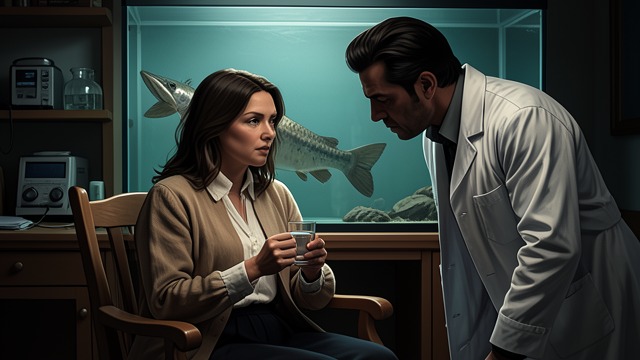
The Drowning Metaphor
Therapeutic Pressure
Ms. Morrell asks Carson Bradley to describe loneliness through the image of drowning and delayed breath.
Survival Logic
Carson explains that resisting instinct extends life but also prolongs agony, revealing her belief that endurance has a limit.
New Interpretation
The conversation reframes survival as active resistance rather than passive suffering, though Carson remains uncertain whether she can continue fighting.
Chosen Continuity

Chosen Continuity
Fear Reversed
Stiles Stilinski assures Carson that her confidence does not make her unnecessary and that he loves her without needing to rescue her.
Mutual Need
Carson explains that she needs his presence, humor, and emotional constancy rather than supernatural strength.
Resolution
Their reconciliation transforms dependence from a source of shame into a consciously chosen bond.
Carson's childhood flashback
after the police-station crisis
during Lydia's birthday party
during Carson's counseling session
after Stiles and Carson reconcile
